
Link prospecting has always been the bottleneck issue in enterprise SEO strategies. Your team spends weeks hunting down relevant websites, qualifying domains, finding contact information, and tracking outreach. This process eats up budget and often delivers inconsistent results.
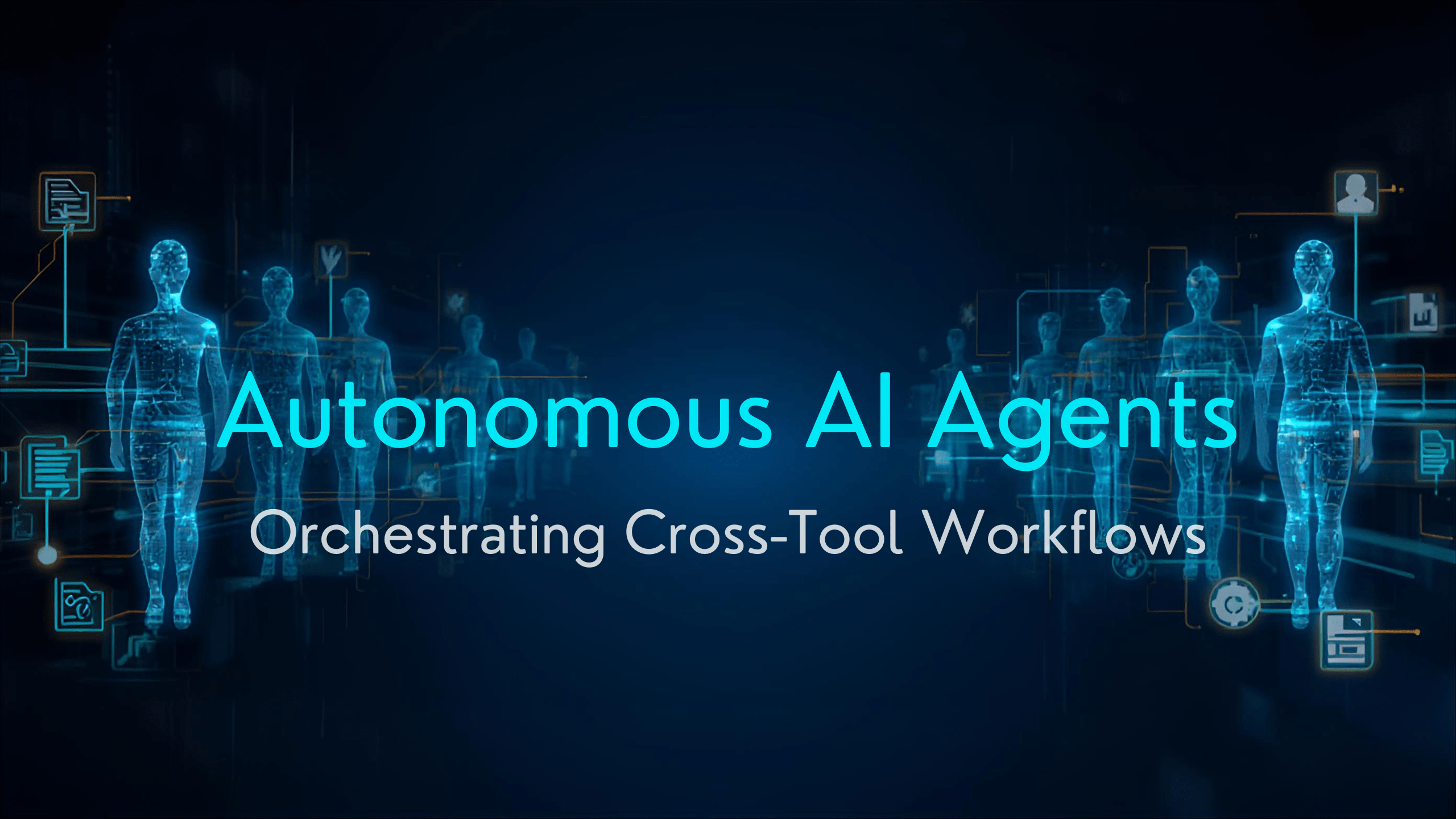
Agentic AI changes this equation entirely. Unlike basic automation tools that follow rigid scripts, agentic AI systems make decisions, adapt to feedback, and improve their own performance. They don’t just speed up manual work; they replace the entire workflow.
The Current State of Link Prospecting in Enterprise SEO
Most enterprise SEO teams still rely on a patchwork of tools and manual effort. Someone searches for competitor backlinks using Ahrefs or SEMrush. Another person exports the data to spreadsheets. A third team member qualifies domains based on authority metrics. Then comes the tedious work of finding contact emails, personalizing outreach, and managing follow-ups.
This approach has three major problems:
- Scale breaks down fast: A team of five can handle maybe 200 quality prospects per week. You need thousands for enterprise-level impact.
- Human bias creeps in everywhere: Your team develops preferences for certain types of sites. They skip opportunities that don’t fit familiar patterns.
- Knowledge doesn’t transfer: When your best team leaves, their intuition and relationships walk out the door.
The market has tried to solve this with better databases and CRM integrations. These help at the margins only as they don’t address the fundamental constraint: humans making sequential decisions about complex qualification criteria.
You can also read: Effective PPC Strategy For Tech Companies
What Makes AI Agentic
The term “agentic” means the system acts with agency. It pursues goals through independent decision-making rather than executing predetermined steps.
A traditional automation tool follows this logic: “If domain authority is above 40 and topic matches keywords X, Y, Z, then add to outreach list.”
An agentic system operates differently. It observes outcomes, forms hypotheses about what works, tests new approaches, and refines its strategy. When outreach to .edu domains gets low response rates in your niche, it deprioritizes them without anyone updating the rules. When it notices that sites linking to your competitor’s case studies convert well, it hunts for similar patterns.
This happens through several technical capabilities working together:
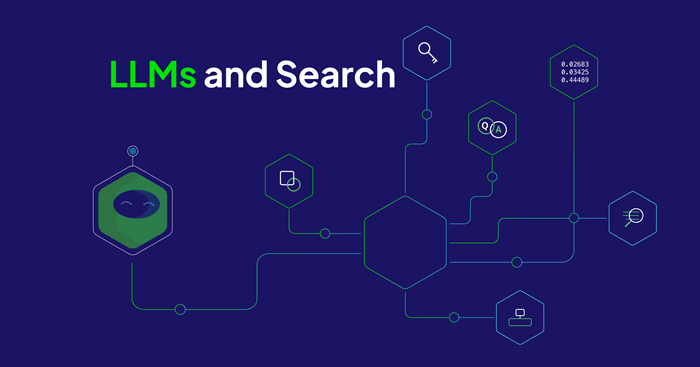
- Large language models provide contextual understanding: The AI reads web pages like a human would, grasping topical relevance beyond keyword matching.
- Retrieval systems access current data: The AI pulls new information about domains, contact details, and recent content rather than relying on static databases.
- Planning modules break down complex tasks: The AI structures multi-step workflows, decides what information it needs next, and adapts when plans hit any obstacles.
- Memory systems track what works: The AI maintains context about past prospects, outreach performance, and successful relationship patterns.
These processes combine into systems that genuinely reason about link prospecting rather than simply automate it.
How Agentic AI Transforms the Workflow
Start with Competitor Analysis: You give the AI your top five competitors. It maps their entire backlink profiles, identifies link acquisition patterns, and spots opportunities you’re missing. But it still goes further.
The system analyzes which competitor content attracts links: It reads the actual articles and pages that drive traffic for them, and understands why they get shared. It identifies the specific sections, data points, or perspectives that drive backlinks. Then it evaluates your content against these patterns and suggests gaps to work on.
For qualification, the AI moves beyond simple metrics: It reads target sites to assess editorial standards, posting frequency, audience engagement, and topical relevancy. It checks social signals, analyzes comment quality, and evaluates whether the site actively maintains its content. Domain authority is also a signal, but the AI weighs dozens of other factors simultaneously.
You can also read: Understanding Generative Engine Optimization: The Future SEO
Contact Discovery Becomes Trivial: The AI finds email addresses through multiple sources, verifies them, and identifies the right person for outreach. Not just “editor@domain.com” but the specific writer who covers your topics and has actually linked to similar content before.
Outreach Personalization Happens at Scale: The AI reads recent articles by your prospect, references specific points they’ve made, and connects your content to their demonstrated interests. Each email is written like a human wrote it specifically for that recipient because the AI actually understands the context.
Follow-up Timing Optimizes Automatically: The AI tracks open rates, response patterns, and engagement signals. It knows when to send a reminder, when to try a different angle, and when to move on.
Real Performance Differences
Early adopters report substantial changes in output and efficiency. Teams that previously qualified 50 prospects per day now process 500. But volume alone misses the point.
The quality improvements matter more. Response rates to AI-generated outreach match or exceed human-written emails. The AI avoids the fatigue and corner-cutting that degrade human performance over time.
One enterprise SEO team tested this directly. They had their best outreach teams spend a week building a target list for a campaign in the financial services vertical. The human identified 127 qualified prospects. An agentic AI system working with the same criteria and resources found 1,340 prospects in just 6 hours. More importantly, when they scored both lists using their internal qualification scope, the AI’s list scored 8% higher on average.
The cost structure shifts dramatically. Manual prospecting at enterprise scale requires large teams. The full-package cost per qualified prospect ranges from $15 to $40, depending on niche difficulty. Agentic AI systems reduce this to $2 or $5 per prospect while improving quality.
Speed compounds these advantages. Campaigns that took months to plan and execute now launch in days. You can test from different angles, iterate based on results, and scale what works without hiring more people.
What This Means for SEO Teams
The Transition Will Be Uncomfortable: Junior prospectors and outreach coordinators will find their roles eliminated or transformed. The skills that made someone valuable in manual prospecting don’t transfer directly to managing AI systems.
New Roles Emerge Around AI Operation and Strategy: You need people who can evaluate AI output quality, refine targeting criteria based on campaign results, and handle relationship management with high-value prospects. This means the work shifts from execution to oversight and optimization.
Senior SEO Strategists Gain Leverage They’ve Never Had: You can finally test ideas that were too resource-intensive before. Want to build links in 12 different niches simultaneously? Want to run personalized outreach to 10,000 prospects? The AI makes it possible for you.
Budget Allocation Changes As Well: The money previously spent on large prospecting teams gets redirected toward content creation, technical SEO, and strategic relationship building. Or it drops to the bottom line as improved efficiency.
You can also read: Effective SEO Strategy For The Age of AI-Powered Search
It Creates Competitive Pressure: If your competitors adopt agentic AI while you stick with manual processes, they’ll outpace you on link acquisition velocity and quality. The gap widens quickly because they can test and iterate faster than you can.
Implementation Challenges
The technology isn’t plug-and-play yet. Current agentic AI systems require setup, training data, and integration with your existing tools. You need technical expertise to deploy them effectively.
Quality control becomes critical. The AI will make mistakes, especially when newly deployed. It might misread context, reach out to inappropriate sites, or miss subtle signals that a human would catch. You need robust review processes until the system proves reliable.
Brand safety requires careful management. An AI sending emails on your behalf can damage relationships if it makes tone-deaf pitches or targets the wrong prospects. So you need clear guidelines and human oversight on sensitive outreach.
Data privacy and compliance add complexity. The AI accesses and processes contact information, website data, and communication records. You need systems that respect GDPR, CAN-SPAM, and other regulations while still functioning effectively.
The Way Forward
Agentic AI for link prospecting will become standard in enterprise SEO within 3 years. The efficiency gains are too big to ignore. Companies that resist will find themselves at a permanent disadvantage.
This technology will improve rapidly because the current systems already outperform manual processes in most scenarios. Next-generation versions will handle edge cases better, integrate more seamlessly, and require less oversight.
So your move is to start testing now. Pick a single campaign or niche. Deploy an agentic AI system alongside your manual process. Compare the results and learn how to work with these tools while the stakes are still lower.
The teams that figure this out early will dominate enterprise SEO in the years ahead. They’ll build links faster, cheaper, and better than competitors still relying on manual labor.
Manual link prospecting isn’t dead yet. But its expiration date is clearly visible. The question isn’t whether agentic AI will replace it, but how quickly your organization adapts to the change.