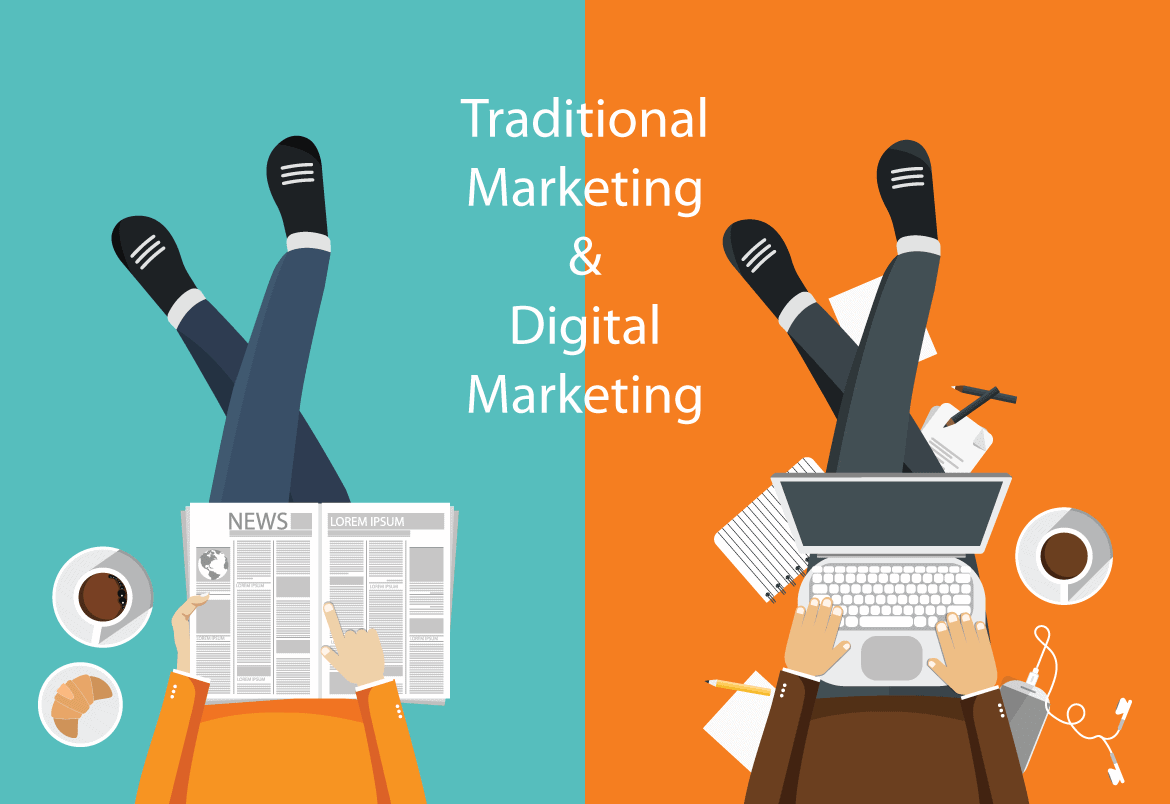

Testing ends in 2025. Execution is important right now. The past few years have answered a single question: Can we do it? We explored generative AI, cookieless tracking, retail media networks, shoppable video, and immersive formats. The question now is: are you making good use of them?
Here are some digital marketing trends you should know by 2026. These aren’t buzzwords. They reflect significant changes in how people search, shop, trust companies, and interact with content. They also demonstrate the importance of integrating strategy, data, media, and innovation.
You will observe how conversational search affects SEO. How video is turning into a direct sales medium. Why privacy and data control benefit brands. How retail media networks are entering the mainstream.
Why creators and communities are shaping things and stories. How AI is becoming a part of everyday marketing tasks. Why measurement is shifting as attribution weakens. How immersive and game-like experiences are evolving. And how people, skills, and culture will determine who leads the sector.
Let’s go over each trend in depth.
Conversational Search is Reshaping How SEO Works
People now ask full questions instead of typing short keywords. Search results often give instant answers without requiring clicks. People search everywhere, not just on Google. They use AI tools, social platforms, voice assistants, and communities. Google AI Overviews, Bing Copilot, and similar tools are changing what visibility means.
Your content must appear where people ask questions. The digital marketing industry is growing at 13.9 percent per year, driven by new search behavior and AI-led discovery.
SEO teams need to change their approach. Stop building pages only to rank for keywords. Start creating clear, authoritative answers. Use schema markup. Write for featured snippets, voice search, and AI answer boxes. Expect more zero-click results where users get answers without visiting your site.
Focus on intent. Structure content for conversational and visual search. Track success beyond clicks. Measure brand recall, question visibility, and mentions in voice or AI responses.
Video is Becoming a Direct Sales Channel
Video and commerce are rapidly combining. Short-form, live, and interactive video is now driving sales as well as engagement. Social media sites are transforming video into a transactional medium.
The figures prove it all. According to an IAB report, 86% of advertisers now use or plan to use generative AI for video ad production. By 2026, AI-created video commercials will account for around 40% of all video ads.
Live shopping, shoppable posts, and in-stream checkout all contribute to increasing social commerce revenue.
You can also read: A Guide to CRM Retargeting with Google Analytics
Brands must use video as a direct gateway to purchase, not merely a narrative. Include interactive features, product overlays, live shopping, shoppable end cards, and an e-commerce platform integration. Measure views by linking them to actions such as add-to-cart and checkout. Stop focusing just on views and likes.
Transform video from brand engagement to commerce engagement. Create video assets with embedded purchase triggers. Measure them across the entire funnel.
Privacy First Data is Redefining How Marketing Works
Third-party cookies are expiring. Regulations are strengthening right now. People are more concerned about privacy. You now have to rely on your own data. Your advantage is defined by first-party data, explicit consent, and a robust data infrastructure.
The numbers back up this shift. By 2025, global digital advertising spend will have surpassed $1 trillion. Digital will account for more than 73% of total ad revenue. Mobile alone will consume around 66% of digital ad budgets. More money is moving into platforms that require improved data control and measurement.
If your strategy still relies on third-party data or opens online cookies, you are at risk.
Targeting and measurement will deteriorate quickly. You need a solid data foundation that includes consent collecting, a dependable customer data platform, ad platform conversion APIs, identity matching, and a clear correlation between online and offline signals.
Your 2026 approach must focus on first-party data and measurement. Without this basis, performance and optimization will deteriorate rapidly.
Retail Media Networks Move into the Core of Media Strategy
Retail media networks used to belong mainly to big e-commerce brands. That has changed now. RMNs are now a core part of media planning for many brands. They combine strong first-party purchase data with high-value placements. This makes them one of the few channels where awareness, consideration, and sales connect directly to product-level results.
Spending is rising fast. RMN ad spend is expected to reach about $62 billion in 2025. That equals nearly 18% of all digital ad spend. The share will pass 20% in 2026.
For marketers, this changes the approach. RMNs are not just another display option. They need full-funnel planning, clear measurement using conversion APIs and offline attribution, and tight coordination with the rest of your media mix. Brands that treat RMNs as a side test will fall behind those building skills and systems now.
You can also read: Most Important Digital Marketing Strategies Everyone Should Know
Build your RMN strategy early. Connect product data, media planning, and measurement. Work closely with e-commerce, pricing, and product teams to improve return on investment.
Creators Change from Promotion to true Co-creation
Influencer marketing has matured. By 2026, the focus will move beyond paying creators to post content. The real shift is building with them. Products, campaigns, and communities now come from shared effort. Creators are becoming long-term partners, not just a way to reach more people.
Research supports this change. Influencer marketing still matters, but success now comes from deeper collaboration. Brands involve creators in product ideas, limited releases, and campaign planning. This approach drives trust, a stronger connection with niche audiences, and better results than simple sponsorships.
Stop treating influencers as amplifiers. Treat creators as partners. Bring them into product decisions, marketing strategy, and performance tracking. This shared ownership creates a stronger brand experience.
Community and Authenticity Become the New Brand Advantage
By 2026, people want more than a transaction. They want a connection. They want to feel part of something real. That puts community and authenticity at the center of brand engagement. Real voices matter, from employees, leaders, and a clear brand purpose that shows in action.
Research shows this shift clearly. Consumers expect interaction, transparency, and ethical behavior from the brands they support. Polished messaging alone no longer works.
This changes where brands invest. More focus goes into owned spaces like forums, apps, and small communities. User-generated content and peer-to-peer interaction grow in value. Internal advocacy matters more, with employees and leaders playing an active role in communication.
Build community and take care of it. Use internal voices, not just ads. Track authenticity with real signals like engagement, member retention, and referrals, not vague brand sentiment.
AI Becomes the Strategic Engine Behind Marketing
We often frame AI as a creative tool. Text, images, video. That view is incomplete. By 2026, the bigger shift is AI running the engine of marketing. Analytics, optimization, media buying, workflows, and customer journeys now sit on AI systems.
This is already happening now. Meta plans to automate advertising with AI by the end of 2026. Brands may soon upload a product image, set a budget, and let AI handle creation, targeting, and optimization. Gartner points to the same future. Marketing now depends on data built for automated interactions.
You can also read: B2B SEO Strategies That Drive Organic Search Success
For SEO teams, marketers, and writers, the question has changed. It is no longer about whether to use AI. It is about how to control it, connect it across teams, and scale it safely across planning, creation, measurement, and optimization. Human oversight becomes critical. People define strategy, protect brand values, and watch for bias while AI handles speed and scale.
Treat AI as your marketing operating system. Build your workflows, data setup, and governance around it.
Rethinking ROI with Marketing Mix Modeling
Traditional attribution models are breaking down. Last click and multi-touch struggle under privacy limits, closed platforms, and cross-device use. As a result, marketing mix modeling is back as the main way brands measure real business impact.
The scale of digital media makes this necessary. By 2026, programmatic buying is expected to drive about 90 percent of global digital display ad spend. With this level of spend, relying on platform-level attribution is not enough.
Brands are turning to marketing mix modeling tools to connect media spend to outcomes that matter. Revenue, margin, and customer lifetime value. Open source options like Meta’s Robyn and other MMM systems help tie together online data, offline results, and signals from closed platforms.
Invest in strong MMM foundations, align media teams with finance and analytics. Report performance in business terms like incremental lift and return on investment, not surface-level metrics.
Immersive and Game-based Experiences Reshape Engagement
A 2025 Chicago Digital Media Trends survey shows social video platforms are changing how people engage. They are shifting from passive viewing to active participation.
For brands, showing a product image is no longer enough. Winning campaigns now combine interactive experiences with real value. AR try-ons, live quizzes, gamified launches, or metaverse showrooms. Track results through engagement, store visits, and purchases.
Dedicate part of your media and experience budget to interactive formats. Focus on real utility and link every experience back to measurable outcomes, not just “wow” moments.
The Human Advantage Comes from Experience in an AI-driven Era
At the center of these changes is your team. Technology evolves quickly, but people and culture take time to catch up. In 2026, the brands that succeed will invest in training, hybrid talent, agile decision making, and cross-functional skills across data, creative, and media.
You can also read: How to Strategize Your Affiliate Marketing Approach as a Content Creator
A McKinsey report shows that while 92% of companies plan to increase AI investment over the next three years, only 1% see themselves as fully mature, with AI integrated into operations and delivering measurable business impact.
- Your focus for 2026 should be clear: build internal marketing strength around three pillars:
- Data literacy. Understand analytics, measurement, and first-party data.
- AI fluency. Know how to use, govern, and scale AI.
Adopt cross-channel orchestration by aligning media, product, commerce, and owned communities. Without these, even the best strategy on paper may fail in practice.
Treat experience, talent, and culture as important as technology and media. Build a team that learns fast, moves quickly, and collaborates across functions.
Conclusion
What connects all these trends? Two words: integrated authority. In 2026, marketers cannot work in silos. Search vs. social, media vs. commerce, data vs. creative. Success comes from building integrated systems that create seamless experiences. At the same time, authority must be earned through first-party data, trusted communities, creator partnerships, and measurable business results.
As you shape your 2026 strategy:
- Treat media as a path to business outcomes, not just impressions.
- Treat data as a strategic asset, not just raw input.
- Treat AI as the engine of marketing, not a side experiment.
- Treat measurement as proof of impact, not just a dashboard metric.
- Treat talent and culture as a competitive edge, not overhead.
Brands that master this approach will not only keep up but also gain a competitive edge. They will lead the next wave of digital marketing. It is not about picking trends. It is about embedding them deeply into your brand operations.
2026 is the year strategy meets execution, complexity turns into clarity, and digital marketing drives real business results. While others may panic at change, we will analyze, adapt, and act, confident that we are ready for what comes next.